

Introduction
Technical Analysis The 180DMA Crossover is a long-term trend analysis strategy based on the 180-Day Moving Average. This indicator is commonly used by institutional investors and long-term traders to determine the overall market direction and identify major trend reversals.
The 180DMA represents approximately nine months of trading activity, making it highly effective for evaluating long-term momentum and investment sentiment. Unlike short-term moving averages that react quickly to price fluctuations, the 180DMA smooths market noise and focuses on broader market direction.
Because of its long-term nature, the indicator is less sensitive to temporary volatility and provides more stable trend signals.
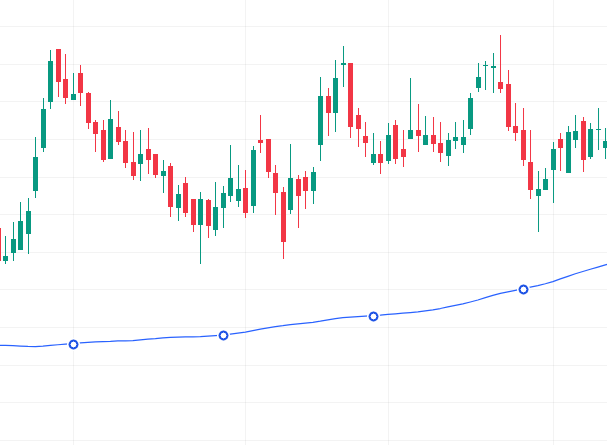
Structure
The 180DMA formula is:
180DMA =
Using normal calculation, this simply means:
- Add up all the prices from
to
.

- Divide the total by 180 (the number of observations).

Bullish crossover:
- Price moves above the 180DMA.
Bearish crossover:
- Price moves below the 180DMA.
Features
1. Long-Term Trend Analysis
Helps identify major market direction.
2. Noise Reduction
Filters short-term volatility.
3. Institutional Relevance
Widely monitored by professional investors.
4. Dynamic Support and Resistance
Acts as long-term trend support.
5. Reliable Trend Signals
Fewer false signals compared to short-term averages.
6. Portfolio Management Utility
Useful for investment decision-making.
How It Helps Traders
The 180DMA Crossover helps investors remain aligned with the broader market trend. Long-term bullish conditions are often confirmed when price remains above the 180DMA.
Investors use bearish crossovers as warnings of weakening market structure. Since the indicator filters short-term fluctuations, it helps traders avoid emotional reactions to temporary volatility.
The strategy is especially useful in portfolio management and trend investing.
Conclusion
The 180DMA Crossover is a powerful long-term trend indicator that helps traders and investors identify major market direction while filtering short-term noise. Its reliability and stability make it highly valuable for long-term investment strategies and trend analysis.
