

Introduction
The Price Weighted Moving Average is a variation of the moving average that assigns weights to prices based on their relative importance. Unlike simple moving averages (SMA), which treat all prices equally, PWMA emphasizes certain price points to provide a smoother and more representative trend line. This makes it particularly useful for traders seeking refined signals in volatile markets.
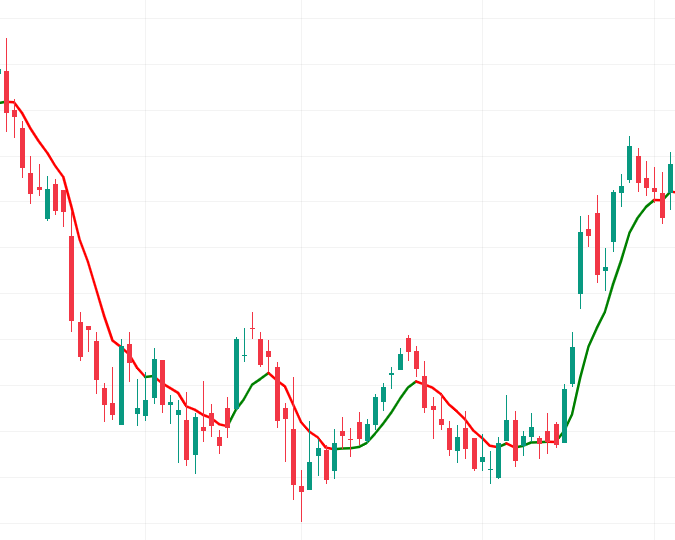
Structure
PWMA is calculated by multiplying each price by a weight factor, then dividing by the sum of weights. The weighting scheme can vary recent prices may be given more weight, or specific price levels (like closing prices) may dominate. The result is a moving average line that adapts more closely to market dynamics than SMA.
Features
- Assigns weights to prices for better accuracy.
- Reduces lag compared to SMA.
- Provides smoother signals in volatile conditions.
- Can be customized with different weighting schemes.
How it helps traders
PWMA helps traders filter noise while staying responsive to market changes. For example, in fast‑moving markets, PWMA reacts quicker than SMA but avoids the excessive sensitivity of EMA. This balance makes it ideal for identifying short‑term trend shifts without being misled by minor fluctuations. Swing traders and intraday traders often prefer PWMA for its adaptability.
Conclusion
Price Weighted Moving Average is a refined moving average that balances responsiveness and stability. By weighting prices intelligently, it provides clearer signals than traditional averages. When paired with trend indicators like MACD or Bollinger Bands, PWMA enhances decision‑making, helping traders capture opportunities while minimizing false alarms.
