

Introduction
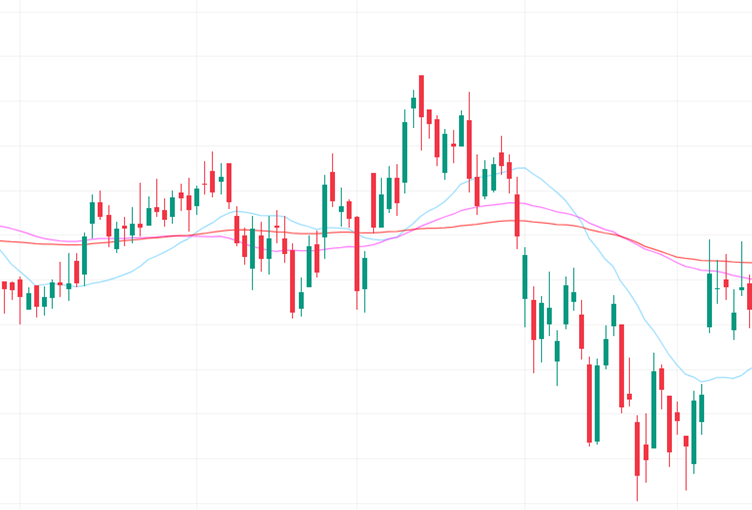
Technical Analysis RMA stands for Running Moving Average with interpolation techniques. It is a smoothing indicator widely used in algorithmic and discretionary trading systems. The primary purpose of RMA is to reduce market noise while preserving trend direction more effectively than traditional moving averages.
Unlike the Simple Moving Average (SMA), which gives equal weight to all data points, RMA creates a smoother representation of price action by applying progressive averaging. This makes the indicator less sensitive to sudden spikes while still maintaining responsiveness.
RMA gained popularity because it forms the backbone of several advanced indicators, including the Relative Strength Index RSI. Many traders prefer RMA because it provides balanced smoothing between lag reduction and trend accuracy.
Structure
The RMA formula is commonly expressed as:

Where:
- (RMA_t) = Current RMA value
- (RMA_{t-1}) = Previous RMA value
- (n) = Period length
- (Price_t) = Current price
The interpolation component improves visual smoothness and transition between data points.
Features
1. Superior Smoothing
RMA reduces market noise more effectively than SMA.
2. Balanced Responsiveness
It reacts faster than long-period SMAs while remaining stable.
3. Trend Identification
Helps identify sustained bullish or bearish movement.
4. Foundation for Other Indicators
Used internally in RSI and other momentum oscillators.
5. Reduced False Signals
Minimizes whipsaws during sideways markets.
6. Multi-Market Usage
Works effectively in forex, stocks, crypto, and commodities.
How It Helps Traders
RMAhelps traders identify underlying market trends more clearly. During volatile periods, raw price data may become confusing, but RMA smooths fluctuations and reveals the actual direction of momentum.
Trend-following traders use RMA crossovers to generate buy and sell signals. Scalpers may combine short-term and long-term RMAs to identify quick momentum changes.
Because RMA filters market noise effectively, it reduces emotional decision-making and improves trade discipline. It is especially useful in automated trading systems where clean signals are essential.
Conclusion
RMA is a reliable smoothing indicator that enhances trend clarity and reduces market noise. Its balanced responsiveness makes it valuable for traders seeking accurate trend analysis without excessive lag. Whether used independently or as part of advanced indicators, RMA remains an essential tool in modern technical analysis.
