

Introduction
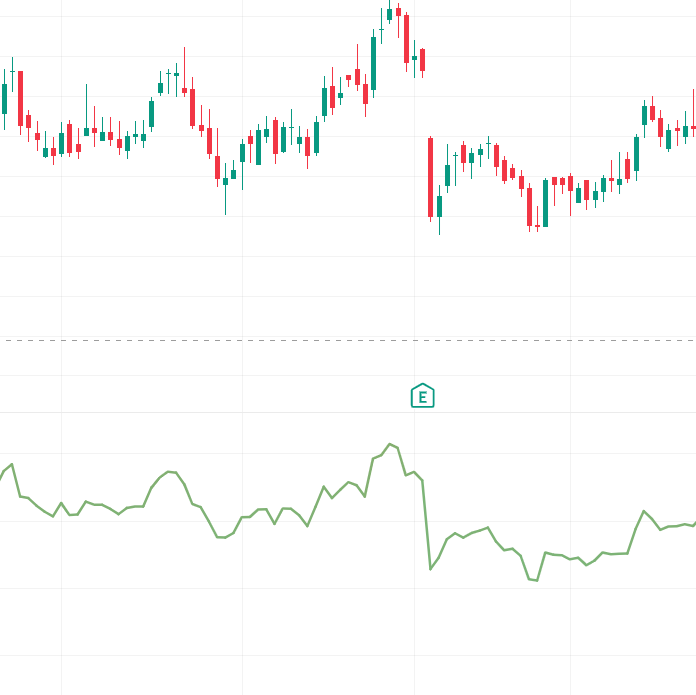
The Price–Volume Ratio (Price–Volume Ratio) is a specialized indicator that measures the relationship between price changes and trading volume. Unlike PVOL, which integrates the two, PVR expresses how much price movement occurs per unit of volume. This ratio helps traders identify whether price shifts are efficient or exaggerated relative to participation.
Structure
PVR is calculated by dividing the percentage change in price by the change in volume. A high ratio suggests that price is moving significantly with relatively little volume, while a low ratio indicates that large volumes are required to move price. Traders often plot PVR as a line or histogram to visualize efficiency in price discovery.
Features
- Quantifies efficiency of price moves.
- Highlights overreaction or underreaction relative to volume.
- Can be normalized for comparison across assets.
- Useful for spotting anomalies in trading behavior.
How it helps traders
PVR helps traders detect manipulation or inefficiency. For example, if price surges on minimal volume (high PVR), it may signal speculative activity rather than genuine demand. Conversely, if heavy volume produces only minor price changes (low PVR), it may indicate strong resistance or absorption by institutional players. This insight allows traders to adjust risk and avoid traps.
Conclusion
Price–Volume Ratio is a unique lens into market dynamics, focusing on the efficiency of price discovery. By comparing price changes against volume, it helps traders distinguish between genuine moves and artificial spikes. When used alongside PVOL, OBV, or accumulation/distribution indicators, PVR adds depth to analysis, making it a valuable tool for both short‑term and long‑term strategies.
