

Introduction
The Normalized Average True Range (Normalized ATR) Indicator is a volatility-based technical analysis tool that refines the classic ATR (Average True Range). While ATR measures absolute volatility, the normalized version scales this value relative to price, making it easier to compare volatility across different assets and timeframes. Traders use the Normalized ATR to assess risk, identify breakout opportunities, and adjust position sizing with greater accuracy.
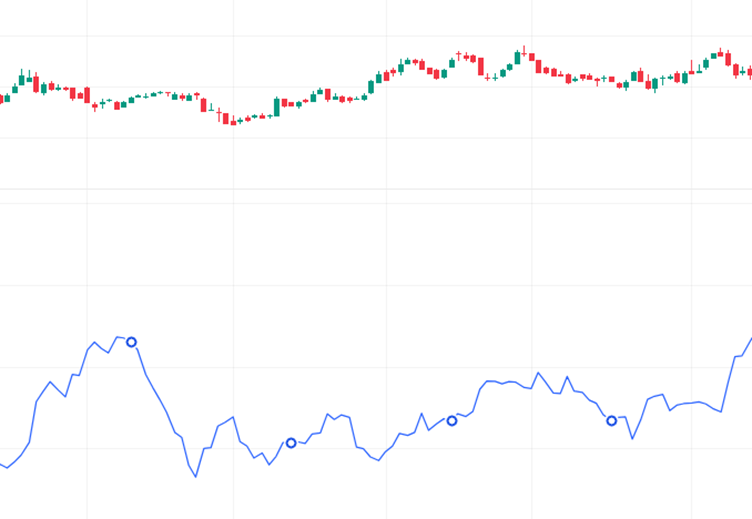
Structure of the Normalized ATR Indicator
The Normalized ATR is calculated in two steps:
- ATR Calculation:
- ATR = Moving average of True Range (TR), where TR = max(High – Low, |High – Previous Close|, |Low – Previous Close|).
- Normalization:
- Normalized ATR = (ATR ÷ Closing Price) × 100
This structure expresses volatility as a percentage of price, allowing for direct comparison across different instruments.
Key Features
- Relative Volatility Measure: Expresses ATR as a percentage of price.
- Cross-Asset Comparison: Makes it possible to compare volatility between stocks, forex pairs, or commodities.
- Risk Assessment: Provides a clearer view of volatility-adjusted risk.
- Trend Sensitivity: Expands during volatile markets, contracts during stable conditions.
- Versatility: Works across multiple timeframes and asset classes.
How It Helps Traders
- Position Sizing: Helps traders adjust lot sizes based on volatility, reducing risk exposure.
- Entry & Exit Points: High normalized ATR values suggest breakout potential; low values suggest consolidation.
- Risk Management: Prevents over-leveraging by highlighting volatility-adjusted risk.
- Trend Confirmation: Confirms whether price movements are supported by volatility expansion.
- Strategy Integration: Works well with Bollinger Bands, Keltner Channels, or momentum indicators for layered confirmation.
Conclusion
The Normalized ATR Indicator is a refined volatility tool that transforms absolute ATR values into relative percentages, making them easier to interpret and compare. Its ability to highlight volatility-adjusted risk, detect breakouts, and guide position sizing makes it invaluable for both short-term and long-term traders. While it should not be used in isolation, combining Normalized ATR with trend-following or momentum indicators enhances accuracy and confidence. For traders seeking a disciplined, volatility-aware approach to market analysis, the Normalized ATR Indicator offers a structured framework to navigate bullish and bearish markets effectively.
